 Accez.cloud
5 Signs Your Property Management System is Outdated
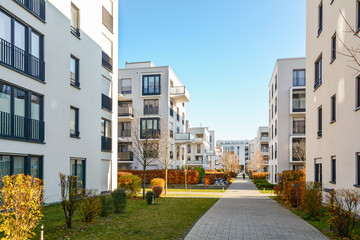
The Saudi Arabia property management market is undergoing rapid digital transformation. With the sector valued at approximately USD 13.5 billion in 2025 and projected to reach USD 19.94 billion by 2030, property managers who cling to legacy systems risk falling behind competitors who have embraced modern technology.
But how do you know if your current property management system has become a liability rather than an asset? Here are five warning signs that indicate it may be time for an upgrade.
Sign 1: Your Team Drowns in Manual Processes and Spreadsheets
If your property managers spend more time on administrative tasks than actually managing properties, your system is failing you. Research shows that 76% of landlords spend 40 hours monthly just monitoring properties, while 39% of property managers dedicate more than 20 hours per month solely to handling maintenance requests manually.
The hidden costs compound quickly. Manual rent collection, paper-based work orders, and spreadsheet tracking introduce human error and costly delays. Properties using integrated software systems report 40% time savings on administrative tasks. One property management firm documented that lease renewals that previously took 3 hours of printing and mailing now take just 20 minutes with digital processing—an 85% reduction.
In Saudi Arabia, with Ejar platform registration now mandatory for all residential and commercial leases, manual tracking creates compliance risks. Over 10 million rental contracts have been registered on Ejar since 2018, and as of January 2025, all residential rent payments must process through the platform using Mada or SADAD. Manual systems simply cannot keep pace with these regulatory requirements.
Sign 2: You Cannot Manage Properties Effectively from Your Mobile Phone
Modern property management demands mobility. Field inspections, emergency maintenance approvals, and tenant communications happen constantly—not just at a desk. Yet legacy systems often offer limited or no mobile functionality, tying managers to office computers while competitors respond in real-time.
The numbers reveal how critical mobile access has become: 76% of property managers now use mobile-friendly management apps for real-time operations, up 23% since 2022. More than 68% of users access property management systems through mobile applications daily, and daily user engagement increases 49% with mobile-first management platforms.
This matters even more in Saudi Arabia, where smartphone penetration reaches 97% and internet access stands at 99%. The Kingdom's young demographic—63% are under age 30—expects mobile-first experiences in everything they do. Property managers without robust mobile capabilities cannot effectively serve a market where tenants consider mobile access the baseline expectation, not a premium feature.
Sign 3: Your Tenants Have No Self-Service Portal
The absence of a tenant portal is perhaps the clearest indicator of an outdated system. Modern renters expect to pay rent online, submit maintenance requests with photos, access lease documents, and communicate with management—all through a single digital interface.
The data is compelling: 80% of tenants prefer paying rent online, and 72% prefer digital communication over traditional methods. The financial impact is measurable too—renters paying online are 23% less likely to pay late than those using cash or checks. Landlords using tenant portals report cutting 40% of administrative time previously spent on back-and-forth communication.
Saudi consumers have embraced digital transactions wholeheartedly. In fact, 79% of all retail transactions in the Kingdom are now conducted digitally, exceeding the government's 2025 target ahead of schedule. With 14.4 million active digital wallet customers growing at 52% year-over-year, Saudi tenants expect the same seamless payment experience they receive everywhere else. Properties without self-service portals appear antiquated to this digitally sophisticated population.
Sign 4: Your Systems Do Not Integrate—Creating Data Silos Everywhere
Legacy platforms typically struggle with direct API connections, creating closed networks that restrict data flow between accounting software, maintenance systems, tenant screening services, and smart building technology. Property managers find themselves manually transferring data between disconnected tools, verifying reservations, and correcting discrepancies.
The costs of fragmentation are substantial. Teams spend weeks compiling, reconciling, and validating data that integrated systems process automatically. More than 35% of property management firms report persistent integration issues with existing systems. Meanwhile, modern platforms offer hundreds of certified integrations, enabling plug-and-play connections across the entire operational ecosystem.
In Saudi Arabia, integration requirements include connectivity with Ejar (mandatory lease registration), Mada/SADAD payment systems, and the Real Estate Registry platform. PropTech adoption is accelerating—35% of property management companies currently use cloud-based software, with 65% planning to adopt cloud solutions by end of 2025. Systems that cannot integrate with the Kingdom's digital infrastructure will become increasingly unworkable.
Sign 5: WhatsApp Has Become Your Primary Management Platform
Saudi Arabia has 20-30 million WhatsApp users with a 77%+ adoption rate and 98% message open rate—making it the dominant communication channel. However, when property management operations depend entirely on WhatsApp without centralized systems, critical information scatters across individual phones, conversations disappear when staff leave, and no audit trail exists for disputes.
This "WhatsApp overload" signals a fundamental gap in communication infrastructure. Property teams spending 5+ hours weekly managing tenant communications via fragmented channels demonstrate the problem clearly. Modern systems integrate WhatsApp Business API alongside SMS, email, and in-app messaging—creating unified communication logs while meeting tenants where they prefer to communicate.
While WhatsApp is essential for Saudi business communication, it cannot replace proper property management systems. Successful platforms in the Kingdom integrate WhatsApp Business API with comprehensive features, providing Arabic language support, automated responses, and complete conversation histories. The goal is WhatsApp integration, not WhatsApp dependence.
The Hidden Cost of Staying Outdated
Running an outdated property management system isn't just inconvenient—it's expensive. Each tenant turnover costs between $1,750 and $5,000 per unit, including vacancy loss, cleaning, repairs, marketing, and re-leasing. With national apartment retention rates hovering at 50-58%, the financial impact accumulates rapidly. Research indicates that 60% of tenant turnover is controllable through better staff performance and responsiveness—exactly what modern systems enable.
Deferred maintenance, often a byproduct of poor tracking systems, destroys property value over time. Minor repairs neglected escalate to 3x the original cost within three years, and properties with deferred maintenance sell for 10-20% less than well-maintained equivalents.
Security vulnerabilities create additional liability. A striking 60% of data breaches result from unpatched vulnerabilities in outdated software, and cyberattacks on real estate data increased 15% in 2024. Saudi Arabia's National Cybersecurity Authority regulations require compliance that legacy systems often cannot achieve.
Time to Make the Switch?
If you recognized your property management operation in two or more of these signs, it's time to seriously evaluate your technology stack. Vision 2030 has allocated over USD 1 trillion for real estate and infrastructure development, and projects like NEOM, Qiddiya, and Banan City will add hundreds of thousands of residential units requiring sophisticated property management.
The window for competitive advantage through early adoption is narrowing. By 2026, AI and modern property management capabilities will be table stakes rather than differentiators. Property managers who modernize now position themselves to capture growth in Saudi Arabia's booming real estate market. Those clinging to legacy systems face a market moving decisively toward digital-first operations—where Ejar compliance, integrated payment processing, mobile-first interfaces, and AI-powered automation are basic requirements for participation.
Platforms like Accez.cloud are leading this transformation by offering unified solutions built specifically for the Saudi market—combining comprehensive property management tools, resident-focused mobile experiences, local payment integrations, and innovative marketplace features that create value for all stakeholders.
The question isn't whether to upgrade your property management system. It's whether you can afford to wait any longer.
Related Articles
- Accez.Cloud vs Saudi Property Management Platforms
- The Hidden Costs of Managing Properties Without a System
- How to Scale Your Property Portfolio Successfully
Ready to see what modern property management looks like? Visit portal.accez.cloud to learn more.